Dr Mark Burdass
Aquaculture Programme Coordinator and Tutor
Skip Links


Ask a question or call 0800 422 733
Discover career possibilities and how to reach your goals. tahatu.govt.nz(external link)
48 teaching weeks plus 9 weeks of study break
180
2027: TBC
A Student Service Fee applies (2026; $2.50 per credit).
Fees listed are for each year of the programme, indicative only and may vary with course selection.
View course details for individual fees.
4824

Take your sustainable aquaculture expertise to the next level with advanced research that makes a real difference to industry and the environment.
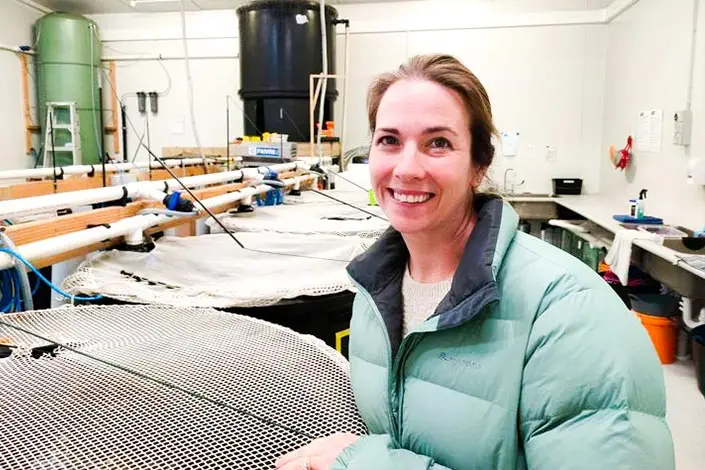
The Master of Applied Science (Biodiversity Management) provides an opportunity to deepen your knowledge while investigating real-world challenges facing New Zealand's aquaculture sector.
Directly enrol in the 180-credit Master of Applied Science (Biodiversity Management). In your first semester, you will complete four prescribed 15-credit courses covering research methods, stakeholder engagement, marine ecosystems and biosecurity, before progressing to a substantial independent research project (120-credit thesis).
Alternatively, if you have already completed the Postgraduate Diploma in Sustainable Aquaculture, you may progress directly into the 120-credit thesis component of the master's degree.
The Master's research thesis enables you to contribute new knowledge to the industry while developing advanced research, analytical and leadership skills for careers in consultancy, management, industry leadership or further academic study.
Guided by experienced supervisors, including Dr Mark Burdass, Dr Sobhan R. Akhavan, and Dr Anja Studer, you'll develop advanced research skills while exploring topics that support sustainable food production, healthy marine ecosystems, and the future of aquaculture in Aotearoa New Zealand.